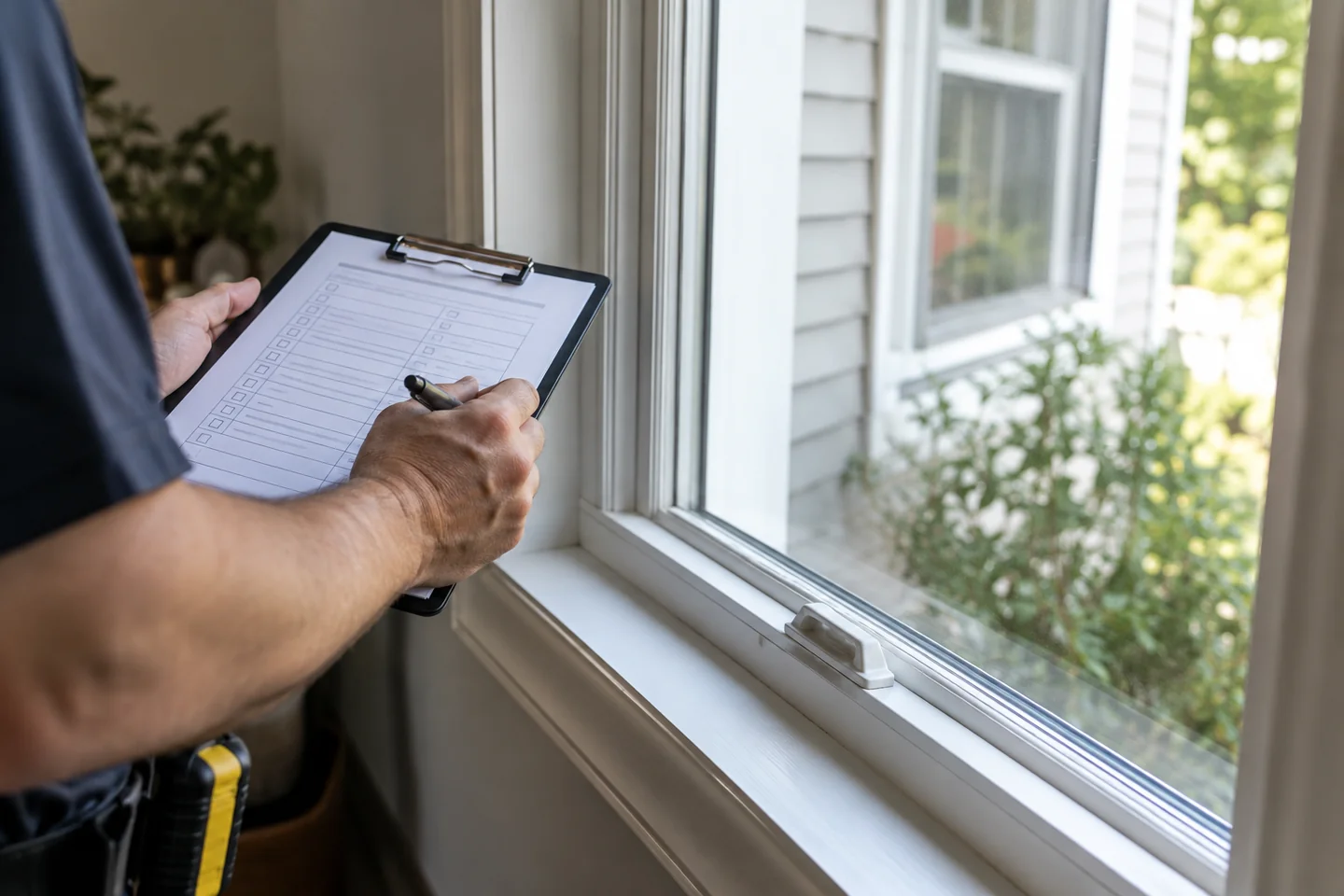
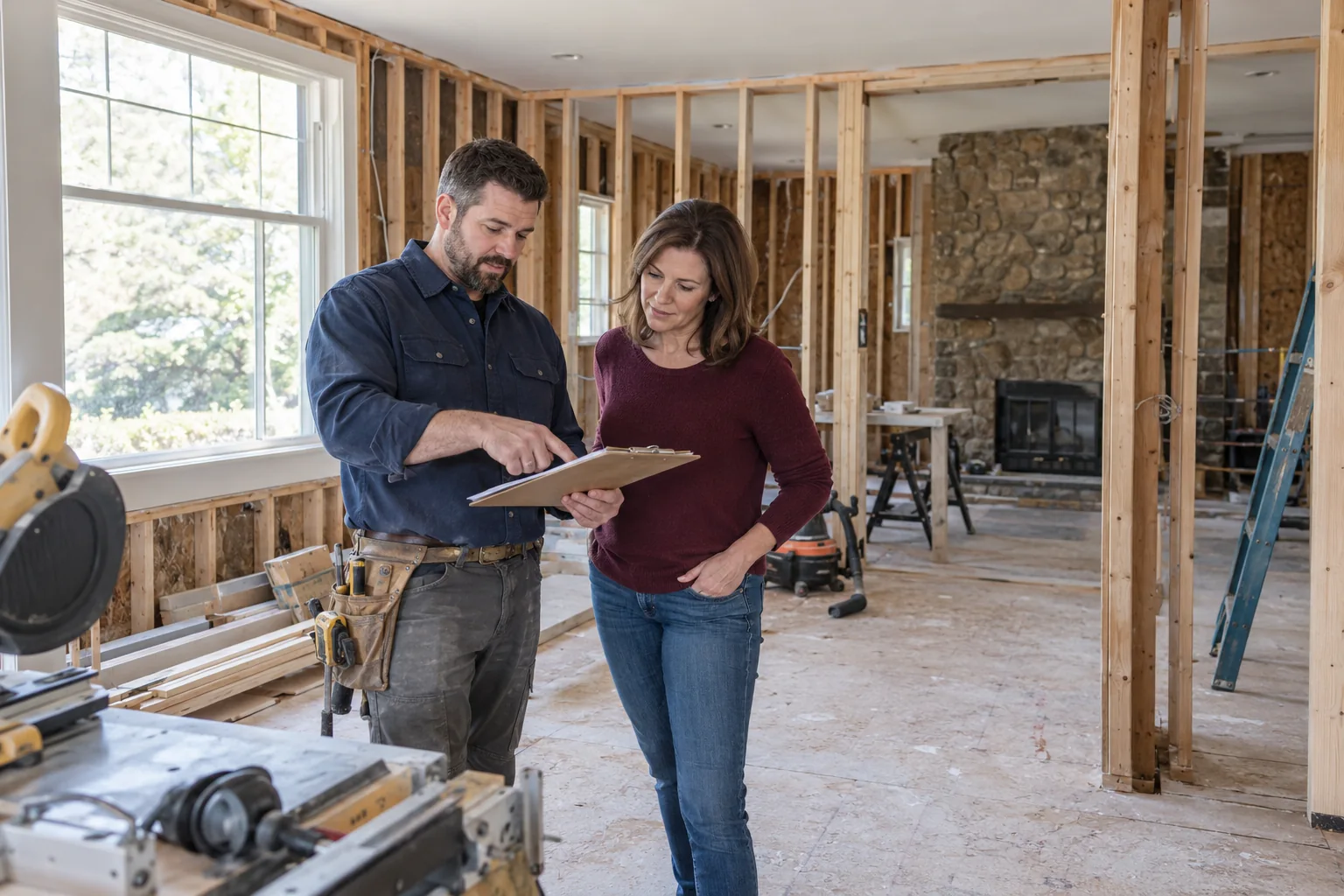
What does a home inspection actually decide?
An inspection identifies visible conditions within its stated scope. Use the report to prioritize safety, structure, water and costly systems, seek specialists where needed, and act before the contract deadline.
- Read exclusions and inaccessible areas.
- Request estimates for material defects.
- Document repair, credit or exit decisions in writing.
Route an inspection finding to a useful next step
Read exclusions and inaccessible areas alongside the findings. An unresolved issue needs a specialist, scope, cost and date rather than a verbal reassurance.
| Item | Evidence to consult | How to interpret it |
|---|---|---|
| Visible condition | Inspection report with photographs and access limitations | A visual inspection cannot rule out all concealed defects. |
| Specialist testing | Relevant testing scope, test conditions and written results | A general inspection is not a substitute for a radon measurement. |
| Decision and deadline | Contract deadline, specialist estimate and written repair agreement | Keep time for review; a promised repair still needs a defined scope and verification. |
Editorial synthesis. Related official reading: EPA · Radon. Consulted on . Add the property’s own documents and local rules.
An acceptable appraisal is treated as a clean inspection
The appraisal and inspection answer different questions. A lender’s valuation does not replace a review of physical condition. Read the inspection exclusions and inaccessible areas before assuming that a system has been checked.
How to clarify it before deciding
Assign each unresolved finding to a specialist and a contractual deadline. For radon, check whether testing was actually commissioned and obtain the test conditions and result; new construction or mitigation features do not establish a test result.
LOGEORA teaching case and verification questions. Official reference: CFPB · Schedule a home inspection.
Your roadmap, step by step
Real estate transactions vary by state, county, city, property type and contract. Sound preparation still follows a recognizable sequence: define the goal, compare with consistent criteria, document the evidence and review before committing. Use this guide as a working framework, then validate each requirement with official sources and professionals in your chosen market.
- 01
Protect the inspection window
Define the inspection contingency, access arrangements and decision deadline before the visit. Confirm how the contract handles cancellation, repair requests, credits and additional investigations.
- 02
Choose an independent inspector
Compare inspectors by qualifications, independence, standards of practice, insurance and sample reports—not price alone. Ask who performs the inspection and which systems or conditions are excluded.
- 03
Prepare the property questions
Send disclosures, known concerns and property details in advance. Ask whether age, additions, pools, wells, septic systems, chimneys or other features justify separate specialists.
- 04
Attend and observe the process
Attend when practical and let the inspector work methodically. Ask for context on safety, remaining life, maintenance and signs that require further review rather than seeking an instant pass-or-fail verdict.
- 05
Triage the complete report
Read the complete report, including limitations and inaccessible areas. Sort findings into immediate safety, major system, moisture or structural, specialist follow-up, maintenance and cosmetic categories.
- 06
Bring in specialists where needed
Obtain qualified specialist opinions and written estimates for material concerns before the contractual deadline. Do not convert a broad inspection observation into a repair price without evidence.
- 07
Decide before the deadline
Choose a contractual response with your adviser: accept, request repair, seek a credit, renegotiate or use an available exit right. Reinspect agreed work and keep reports for future maintenance.
Costs to anticipate
Inspection price varies with location, property size, age, complexity and scope. Budget separately for sewer scope, radon, mold, pests, roof, foundation, pool, well, septic or other specialist work when relevant. The cheapest inspection can be costly if its scope, time or reporting is inadequate.
Build a decision file
Keep estimates, contract versions, important messages, reports, disclosures, proof of funds and open questions in one place. Date each document and retain the final signed version. This simple habit makes it easier to compare options, spot a late change and explain a decision to your attorney, tax adviser, lender or agent.
Questions before you commit
What evidence supports this decision, and how current is it? Which assumption would change the outcome? Which condition permits renegotiation or exit, and until when? Which costs may rise? Who represents each party and how are they paid? What licenses, experience and insurance does each professional have? Which local rule, physical defect or title limitation could affect use, insurance, financing or resale? If an important answer is only verbal, request written confirmation.
Read the limitation before pricing the finding
For each system, identify whether the inspector operated it, visually observed it, could not reach it or recommended specialist evaluation. “Not inspected” is not the same result as “no defect observed.” If access was blocked by storage or a disconnected utility, ask what reinspection would be required and whether the contract leaves time. A repair quotation based on one visible symptom can omit the hidden cause; keep uncertainty explicit when negotiating rather than converting a preliminary observation into a fixed price.
Use completion evidence that matches the defect
An invoice, permit, inspection sign-off and warranty answer different questions. For agreed electrical work, identify the exact item corrected, the qualified provider, required permit status and any final inspection record. For a moisture problem, distinguish repairing the leak from replacing stained finishes. Revisit the affected location when authorized and ask the relevant professional how completion can be verified. A final walkthrough is a check against agreed obligations and new visible changes, not a substitute for a specialist examination.
Frequently asked questions
01What does a standard home inspection cover?
Scope varies by inspector and standard of practice. A typical visual, non-invasive inspection reviews accessible structure, roof, exterior, plumbing, electrical, heating, cooling and interior components, then reports observed conditions and recommended follow-up. Confirm exclusions in writing.
02Should the buyer attend the home inspection?
When practical, attending helps the buyer see context, ask questions and learn about maintenance. It does not replace reading the complete report or obtaining specialist evaluations for material concerns.
03Can an inspection determine every defect or repair cost?
No. Conditions may be hidden, inaccessible or outside scope, and an inspector is not estimating every repair. Use qualified specialists and written estimates when the report identifies material concerns.
Official sources for this guide
Read the original documents and add the authorities for your state and locality. These sources help verify requirements; this guide’s date does not mean every local rule has been reviewed.
Official research directory · Editorial method and corrections
Independent educational information. Not legal, tax, lending, or investment advice. Verify local rules and consult licensed professionals before making a real estate decision.